
KEYNOTE LECTURE
PLENARY LECTURES
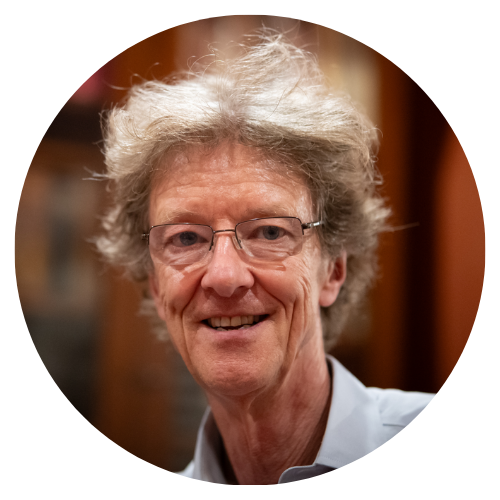
Prof. Simon Gandevia
University of Sydney, Australia
Prof. Simon Gandevia
Professor Simon Gandevia (FAA FAHMS FRACP FTPS DSc MD PhD) is a founder of Neuroscience Research Australia in Sydney and an NHMRC Senior Investigator Fellow. He studied medicine at the University of New South Wales and subsequently conducted clinical research at the Clinical Neurophysiology Unit at Prince Henry Hospital. In 1992, he established with colleagues the Prince of Wales Medical Research Institute, now Neuroscience Research Australia (NeuRA).
His research on patients and volunteers focuses on areas such as: proprioceptive mechanisms, neural control of breathing, motor control and muscle fatigue, the passive behaviour of muscles, and spinal cord clinical physiology. Studies involve patients with a range of disorders or diseases.
He is committed to improving research quality having published a Quality Output Checklist and Content Assessment (QuOCCA) and set up Retractions Australia. He is the only person to have published more than a hundred papers in the Journal of Physiology. He has had longstanding editorial roles with the Journal of Physiology and Journal of Applied Physiology. He headed a new NHMRC program in ‘Motor Impairment’ and is co-Founder/director of a Spinal Cord Injury Research Centre (2019). He was elected a Fellow of the Australian Academy of Science in 1998 and the Australian Academy of Health and Medical Sciences in 2016.
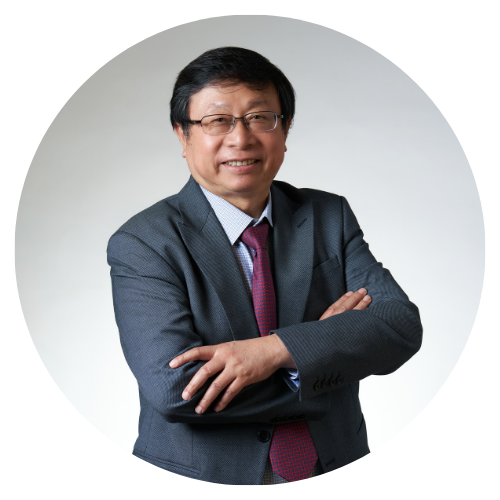
Prof. Yu Huang
City University of Hong Kong, Hong Kong, China
Prof. Yu Huang
Yu Huang earned his BSc from Fudan University Shanghai Medical College and PhD from University of Cambridge. He was a Chair Professor at the Chinese University of Hong Kong (2010–2021) and now holds the Jeanie Hu Chair Professorship in Biomedical Sciences at City University of Hong Kong.
As a leading vascular biologist, Dr. Huang is the first Chinese scholar to receive both the 2024 ISHR Peter Harris Distinguished Scientist Award from International Society for Heart Research (ISHR) and the 2025 Vane Medal from the British Pharmacological Society. He is an elected foreign member of Academia Europaea. He is an elected Fellow of the ISHR, the International Union for Physiological Sciences Academy of Physiology, and the British Pharmacological Society. He holds leadership roles in key professional societies as Vice President of the Chinese Section of the ISHR and the Chinese Association for Physiological Sciences. He is also the first Chinese national to be an Associate Editor of Circulation Research.
His team aims to elucidate cellular and molecular events in endothelial cell dysfunction in hypertension, diabetes, and atherosclerosis and to develop ways to reverse vascular dysfunction in animal models of cardiometabolic diseases. He has co-authored 535 SCI publications, including papers in Nature, Science, and Circulation Research, with over 39,400 citations and an h-index of 103.

Prof. Kim E. Barrett
UC Davis School of Medicine, USA
Prof. Kim E. Barrett
Kim Barrett is Vice Dean for Research and Distinguished Professor at the University of California (UC) Davis School of Medicine, positions she has held since 2021. She is a native of the UK and trained at University College London before postdoctoral work at the US National Institutes of Health. In 1985, she moved to UC San Diego, where she rose to Distinguished Professor of Medicine and served as Dean of the Graduate Division.
Her research has focused on the gastrointestinal epithelium, with findings applicable to a variety of digestive disorders including infectious diarrheal diseases and inflammatory bowel diseases. She has published almost 300 papers and reviews, and a number of widely used textbooks.
Her honors include the Distinguished Achievement Award in Basic Science from the American Gastroenterological Association (AGA), election as an Honorary Fellow of The Physiological Society, and the Distinguished Scientist and Mentor Award from the American Physiological Society (APS). She is a Past-President of the APS, recently completed a three-year term on the AGA Governing Board as Councilor-at-Large, and has been highly involved in scholarly publishing throughout her career, including current service as Editor-in-Chief of The Journal of Physiology.
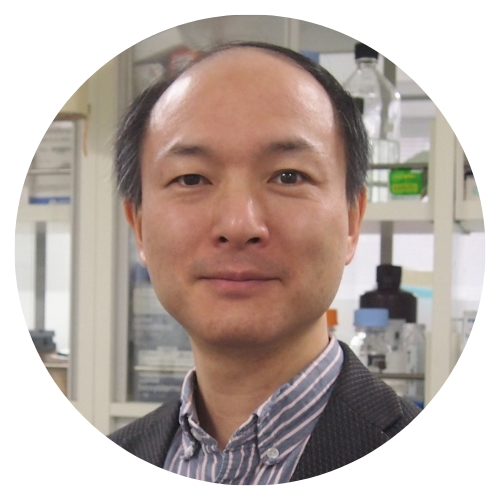
Prof. Kazuhiro Nakamura
Nagoya University Graduate School of Medicine, Japan
Prof. Kazuhiro Nakamura
Kazuhiro Nakamura, Ph.D., has been Professor of Integrative Physiology at Nagoya University Graduate School of Medicine, Japan, since 2015. He received his B.S. and Ph.D. in Pharmaceutical Sciences from Kyoto University, Japan, where he initiated pioneering studies on the central mechanisms of fever. He expanded his research to broader thermoregulatory mechanisms as a postdoctoral fellow at Oregon Health & Science University, USA, and established his independent research group at Kyoto University in 2009.
Dr. Nakamura is internationally recognized for his pioneering discoveries in the neuroscience of homeostasis. He discovered the thermosensory–autonomic neural pathway that forms the core circuit of thermoregulation, which explains how the brain detects thermal challenges and coordinates physiological and behavioral defenses of core body temperature. His laboratory also identified the central neural circuitry through which inflammatory signals trigger fever. His work established the modern neural circuit framework for thermoregulation that is now widely used in the field.
More recently, his research has extended to uncover neural circuit mechanisms underlying mind–body integration during psychological stress and the central regulation of energy balance, including brain mechanisms contributing to middle-aged obesity.
His studies, published in Science, Cell Metabolism, and Nature Neuroscience, have significantly advanced the field and helped shape the current understanding of brain mechanisms of homeostasis.
Dr. Nakamura has received numerous prestigious awards, including the Japan Academy Medal, the JSPS Prize, the MEXT Commendation for Science and Technology, and the Henry Pickering Bowditch Award from the American Physiological Society.
SPECIAL LECTURES
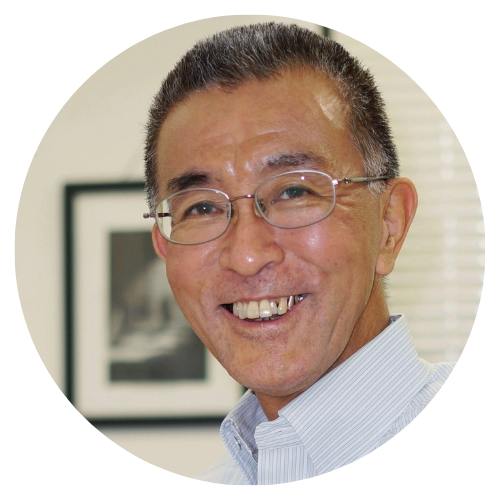
Prof. Yoshihiro Kubo
National Institute for Physiological Sciences, Japan
Prof. Yoshihiro Kubo
Yoshihiro Kubo is a Professor Emeritus at the National Institute for Physiological Sciences (NIPS), Japan. He graduated from the Faculty of Medicine at the University of Tokyo in 1985 and completed his Ph.D. in Medical Sciences at the University of Tokyo in 1989. He served as a Chief Research Scientist at the Tokyo Metropolitan Institute for Neuroscience from 1989 to 2000. During this period, he joined the laboratory of Prof. Lily Jan at the University of California San Francisco, as a postdoctoral researcher from 1991 to 1993, where he successfully cloned the cDNAs of the IRK1 and GIRK1 channels. In 2000, he was appointed Professor at the Graduate School of Medicine, Tokyo Medical and Dental University. He moved to NIPS as a Professor in 2003 and retired in March 2026.
His research interests focus on the functional mechanisms of ion channels and receptors, particularly their structure–function relationships and dynamic structural rearrangements, using electrophysiological and optophysiological approaches. His laboratory has studied a wide range of ion channels and receptors, including inward rectifier K⁺ channels (IRK1, GIRK1); voltage-gated K⁺channels (the KCNQ1/KCNE1 complex, hERG, and the Kv4.2/KChIP4/DPP10 complex); the two-pore Na⁺ channel (TPC3); the ATP-gated receptor channel (P2X2); and G protein–coupled receptors (mGluR1, GABAB).
He is currently serving as President of the International Union of Physiological Sciences (IUPS), President of the Physiological Society of Japan, and a Council Member of FAOPS.
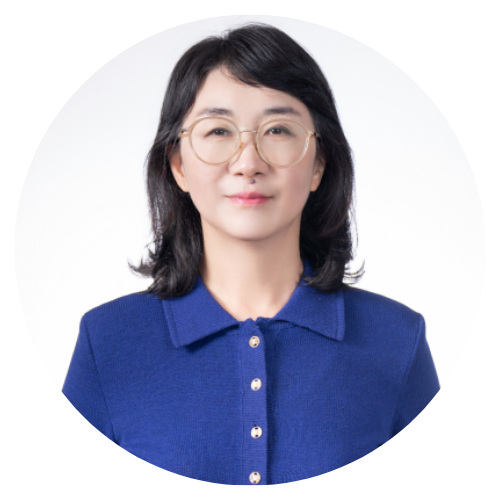
Prof. Yin Hua Zhang
Seoul National University College of Medicine, Korea
Prof. Yin Hua Zhang
Yin Hua Zhang MD, PhD is tenured professor at the Department of Physiology & Biomedical Sciences, Seoul National University College of Medicine, Seoul, Korea. She was recruited to Seoul after spent 11 years in the UK (Department of Physiology & Pharmacology of University of Bristol; Department of Cardiovascular Medicine of Oxford University), where has focused on neuronal nitric oxide synthase (nNOS) regulation of myocardial relaxation and Ca handling in healthy and diseased hearts.
Currently, her research focuses on molecular mechanisms of mitochondrial dysregulation and mitochondrial transplantation in ischemic cardiovascular diseases. Using pregnancy hypertensive models, her research extends to non-genetic inheritance of cardiovascular diseases in the offspring.
She is now serving as Associate editor for Korean Journal of Physiology and Pharmacology (KJPP), Frontiers in Physiology & Biology. She is also the board member of Pflϋgers Archiv European Journal of Physiology. She is the council member of International Society for Heart Research (South East Asia section) and Korean Physiological Society. She holds membership of Physiological Society (UK) since 1999. She published more than 100 scientific papers in renounced Journals and has trained more than 20 postgraduate students who are active in Basic and clinical research field all over the world.
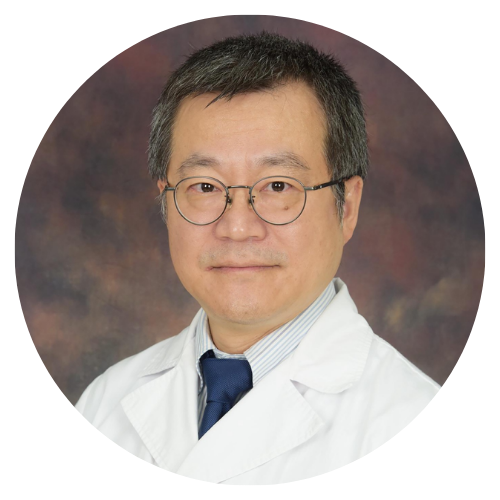
Prof. Shuei-Liong Lin
National Taiwan University College of Medicine, Taiwan
Prof. Shuei-Liong Lin
Shuei-Liong Lin graduated from Taipei Medical College and National Taiwan University in Taipei. Now he is the Distinguished Professor at Graduate Institute of Physiology, National Taiwan University College of Medicine; and Visiting Staff at Renal Division, National Taiwan University Hospital. He joined Duffield Lab in Harvard Medical School as a research fellow in 2006 August, and came back to Taiwan in 2008 August.
Dr. Lin is a recipient of the Outstanding Research Awards of Professor Wan-Yu Chen Foundation from Taiwan Society of Nephrology, National Taiwan University Hospital, and National Science and Technology Council, and Mr. Wang Ming-Ning Memorial Foundation, respectively. Most of his research fund is from National Science and Technology Council and National Health Research Institutes, Taiwan.
In past 10 years his research focused on the role of pericyte-endothelial cell cross-talk in kidney fibrosis and vascular rarefaction; the role of innate immune response cells, monocytes/macrophages, in injury and repair of kidney; the cross-talk between submesothelial fibroblasts and macrophages in peritoneal fibrosis, etc. In his ‘spare’ time he climbs mountains, swims, and cycles.

Prof. Joyce Harper
University College London, UK
Prof. Joyce Harper
Joyce Harper is an internationally renowned, award-winning educator, Amazon bestselling author, podcaster, academic, public speaker, fertility and women’s health coach and scientist. She is Professor of Reproductive Science at University College London, Institute for Women’s Health. She has worked in the fields of fertility, genetics and reproductive science since 1987, written over 240 scientific papers and published four books. Her topics of interest are women’s health, menstruation, fertility, menopause, reproductive health education, health and lifestyle.
Joyce is passionate about empowering women to live their best lives through good health and happiness. Her last book, Your Fertile Years: What you need to know to make informed choices, published by Sheldon Press, 2021, explores women’s health from puberty to menopause. Her new book, Your Joyful Years: Empowering good health and happiness beyond 50, is an Amazon Bestseller and shares the wisdom of 50 women over 50 who are thriving. She is currently writing her final book in the series, Your Final Years, about death and grief.
Her podcast, Why didn’t anyone tell me this? is listened to in over 90 countries, is in the top 10% of podcasts globally and is in season 4. She regularly appears in the UK press, radio and TV.
She is co-leading the development of a UK Menopause Education and Support Programme, called InTune, with support from key organisations to ensure everyone is educated about menopause (https://www.ucl.ac.uk/global-health/uk-national-menopause-education-and-support-programme).
She is co-founder of the UK Fertility Education Initiative (www.fertilityed.uk) and co-founder of the International Reproductive Health Education Collaboration (www.eshre.eu/IRHEC). She is working with schools in the UK and globally to help deliver reproductive health education.
She is an ambassador for Wellbeing of Women and is working on establishing support for mothers and daughters suffering from endometriosis and education about periods in schools. She is also an ambassador for Pads on a Roll, a product which gives free period pads in toilet cubicles.
Joyce is an avid cold-water swimmer and is one of the founding members of a research network SwimHer, looking at women’s health and cold-water swimming. She published the world’s first paper on how cold-water swimming affects menstrual and menopause symptoms.
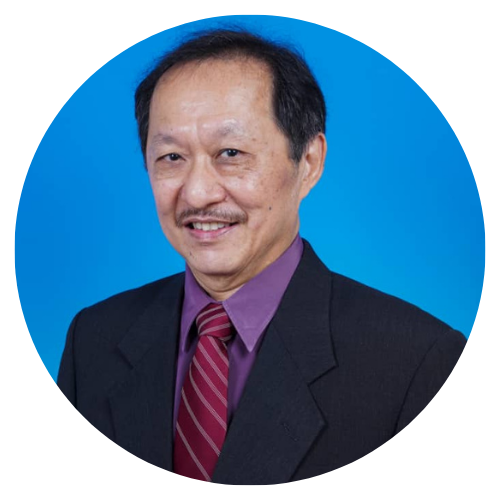
Dr. Cheng Hwee Ming
International Union of Physiological Sciences Academy
Prof. Cheng Hwee Ming
Professor Cheng taught Physiology at the Universiti Malaya Medical School since 1986. His books include ‘Physiology Question-Based Learning’ and’ ‘Defining Physiology’. Cheng is a fellow of the IUPS Academy since 2022. In 2024, Cheng was the recipient of the Claude Bernard Teaching Award by American Physiological Society.
Cheng initiated the Inter-Medical School Physiology Quiz (IMSPQ), now in its 22nd year
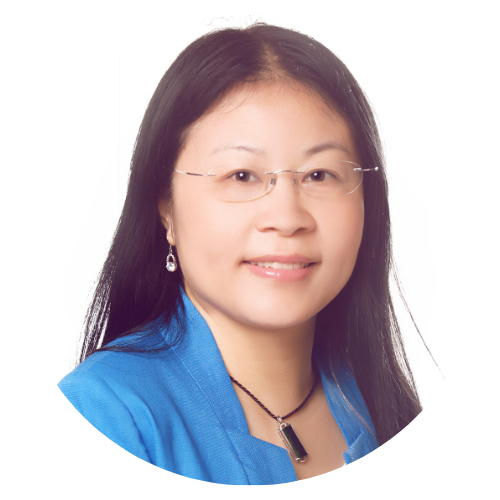
Prof. Yun Wang
Peking University, China
Prof. Yun Wang
Professor Yun Wang obtained her Bachelor’s degree from Jiangxi Medical College and completed her Master’s and PhD training in Neuroscience at Beijing Medical University. She currently serves in several academic leadership roles at Peking University and was previously a visiting scientist at the National Cancer Institute, NIH, USA.
Her research focuses on the molecular and neural circuit mechanisms underlying chronic pain, neural development, neural injury, and neuropsychiatric disorders. She has published extensively in leading international journals including Nature Communications, Science Signaling, Journal of Neuroscience, Molecular Psychiatry, and Cell Reports.
Professor Yun Wang has received numerous prestigious honours, including the Chang Jiang Distinguished Professor Award, the National Science Fund for Distinguished Young Scholars, and the Five Continents Women’s Science & Technology Award. She currently serves as the 1st Vice President of the Federation of the Asian and Oceanian Physiological Societies (FAOPS) and has played a key leadership role in many major international scientific conferences.
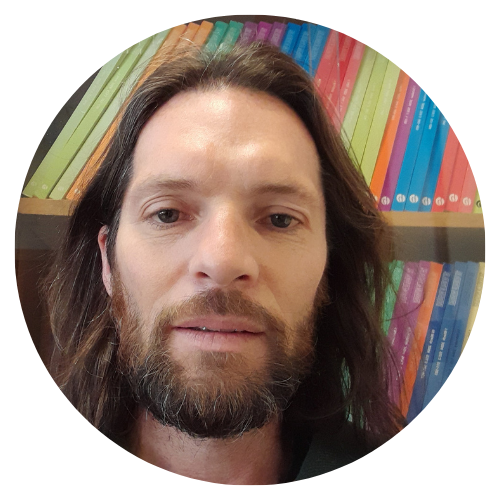
Prof. Simon Kennedy
University of Glasgow, UK
Prof. Simon Kennedy
Simon Kennedy joined the University of Glasgow in 2006, following postdoctoral positions in Paris, France and Strathclyde University in Glasgow. Though now in a more teaching-focused role he still collaborates on research projects with colleagues within School of Cardiovascular and Metabolic Health, College of Science and Engineering and external partners. He coordinates the Pharmacology degree as well as several final-year optional courses.
He is Senior Senate Assessor for student conduct and is a former elected academic member on the University Court (2017-2025). He is also senate member of the Glasgow University Sports Association (GUSA) Senior Council. He is an active member of the British Pharmacological Society, previously sitting on Meetings Committee and their Awards Committee; he was elected as Treasurer from 2023-2025. He is currently external examiner for the pharmacology degree at University of Edinburgh and the Health Sciences degree at University College Cork, Ireland.
His research explores vascular dysfunction under conditions such as hypoxia and oxidant stress. He has published widely in this area and current projects are investigating the role of inflammation and the enzyme AMPK on the regulatory activity of perivascular adipose tissue (PVAT).
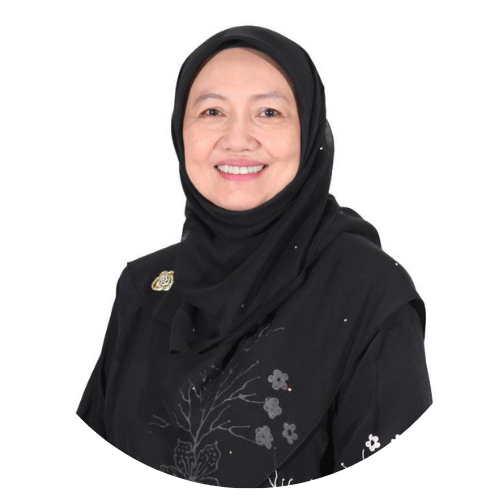
Prof. Ruszymah Idrus
National University of Malaysia, Malaysia
Prof. Ruszymah Idrus
Professor Dato’ Dr. Ruszymah Hj Idrus is a distinguished physiologist and internationally recognised pioneer in tissue engineering and regenerative medicine. She is currently Professor Emeritus at the National University of Malaysia (Universiti Kebangsaan Malaysia; UKM) and the founder of the Centre for Tissue Engineering and Regenerative Medicine (now known as the Department of Tissue Engineering and Regenerative Medicine), where she spearheaded groundbreaking innovations in stem cell therapies, biomaterials, wound healing, cartilage repair, and organ regeneration.
She holds a PhD in Physiology from UKM and completed a postdoctoral fellowship at Harvard Medical School, strengthening her expertise in translational medicine.
With more than 150 indexed publications, over 8,500 citations, and an h-index of 50, her work has had global impact, particularly in areas such as Wharton’s jelly-derived stem cells, honey-based wound healing, and biomaterial innovations.
Professor Ruszymah has received numerous awards, including gold medals at the Malaysia Technology Expo, and has been instrumental in fostering academic-industry collaborations to translate laboratory discoveries into clinical practice. Her leadership and contributions have positioned her as a driving force in advancing regenerative medicine in Malaysia and beyond.
KEYNOTE LECTURES
Prof. Simon Gandevia
University of Sydney, Australia
Prof. Simon Gandevia
Professor Simon Gandevia (FAA FAHMS FRACP FTPS DSc MD PhD) is a founder of Neuroscience Research Australia in Sydney and an NHMRC Senior Investigator Fellow. He studied medicine at the University of New South Wales and subsequently conducted clinical research at the Clinical Neurophysiology Unit at Prince Henry Hospital. In 1992, he established with colleagues the Prince of Wales Medical Research Institute, now Neuroscience Research Australia (NeuRA).
His research on patients and volunteers focuses on areas such as: proprioceptive mechanisms, neural control of breathing, motor control and muscle fatigue, the passive behaviour of muscles, and spinal cord clinical physiology. Studies involve patients with a range of disorders or diseases.
He is committed to improving research quality having published a Quality Output Checklist and Content Assessment (QuOCCA) and set up Retractions Australia. He is the only person to have published more than a hundred papers in the Journal of Physiology. He has had longstanding editorial roles with the Journal of Physiology and Journal of Applied Physiology. He headed a new NHMRC program in ‘Motor Impairment’ and is co-Founder/director of a Spinal Cord Injury Research Centre (2019). He was elected a Fellow of the Australian Academy of Science in 1998 and the Australian Academy of Health and Medical Sciences in 2016.
PLENARY LECTURES
Prof. Yu Huang
City University of Hong Kong, Hong Kong, China
Prof. Yu Huang
Yu Huang earned his BSc from Fudan University Shanghai Medical College and PhD from University of Cambridge. He was a Chair Professor at the Chinese University of Hong Kong (2010–2021) and now holds the Jeanie Hu Chair Professorship in Biomedical Sciences at City University of Hong Kong.
As a leading vascular biologist, Dr. Huang is the first Chinese scholar to receive both the 2024 ISHR Peter Harris Distinguished Scientist Award from International Society for Heart Research (ISHR) and the 2025 Vane Medal from the British Pharmacological Society. He is an elected foreign member of Academia Europaea. He is an elected Fellow of the ISHR, the International Union for Physiological Sciences Academy of Physiology, and the British Pharmacological Society. He holds leadership roles in key professional societies as Vice President of the Chinese Section of the ISHR and the Chinese Association for Physiological Sciences. He is also the first Chinese national to be an Associate Editor of Circulation Research.
His team aims to elucidate cellular and molecular events in endothelial cell dysfunction in hypertension, diabetes, and atherosclerosis and to develop ways to reverse vascular dysfunction in animal models of cardiometabolic diseases. He has co-authored 535 SCI publications, including papers in Nature, Science, and Circulation Research, with over 39,400 citations and an h-index of 103.
Prof. Kim E. Barrett
UC Davis School of Medicine, USA
Prof. Kim E. Barrett
Kim Barrett is Vice Dean for Research and Distinguished Professor at the University of California (UC) Davis School of Medicine, positions she has held since 2021. She is a native of the UK and trained at University College London before postdoctoral work at the US National Institutes of Health. In 1985, she moved to UC San Diego, where she rose to Distinguished Professor of Medicine and served as Dean of the Graduate Division.
Her research has focused on the gastrointestinal epithelium, with findings applicable to a variety of digestive disorders including infectious diarrheal diseases and inflammatory bowel diseases. She has published almost 300 papers and reviews, and a number of widely used textbooks.
Her honors include the Distinguished Achievement Award in Basic Science from the American Gastroenterological Association (AGA), election as an Honorary Fellow of The Physiological Society, and the Distinguished Scientist and Mentor Award from the American Physiological Society (APS). She is a Past-President of the APS, recently completed a three-year term on the AGA Governing Board as Councilor-at-Large, and has been highly involved in scholarly publishing throughout her career, including current service as Editor-in-Chief of The Journal of Physiology.
Prof. Kazuhiro Nakamura
Nagoya University Graduate School of Medicine, Japan
Prof. Kazuhiro Nakamura
Kazuhiro Nakamura, Ph.D., has been Professor of Integrative Physiology at Nagoya University Graduate School of Medicine, Japan, since 2015. He received his B.S. and Ph.D. in Pharmaceutical Sciences from Kyoto University, Japan, where he initiated pioneering studies on the central mechanisms of fever. He expanded his research to broader thermoregulatory mechanisms as a postdoctoral fellow at Oregon Health & Science University, USA, and established his independent research group at Kyoto University in 2009.
Dr. Nakamura is internationally recognized for his pioneering discoveries in the neuroscience of homeostasis. He discovered the thermosensory–autonomic neural pathway that forms the core circuit of thermoregulation, which explains how the brain detects thermal challenges and coordinates physiological and behavioral defenses of core body temperature. His laboratory also identified the central neural circuitry through which inflammatory signals trigger fever. His work established the modern neural circuit framework for thermoregulation that is now widely used in the field.
More recently, his research has extended to uncover neural circuit mechanisms underlying mind–body integration during psychological stress and the central regulation of energy balance, including brain mechanisms contributing to middle-aged obesity.
His studies, published in Science, Cell Metabolism, and Nature Neuroscience, have significantly advanced the field and helped shape the current understanding of brain mechanisms of homeostasis.
Dr. Nakamura has received numerous prestigious awards, including the Japan Academy Medal, the JSPS Prize, the MEXT Commendation for Science and Technology, and the Henry Pickering Bowditch Award from the American Physiological Society.
SPECIAL LECTURES
Prof. Yoshihiro Kubo
National Institute for Physiological Sciences, Japan
Prof. Yoshihiro Kubo
Yoshihiro Kubo is a Professor Emeritus at the National Institute for Physiological Sciences (NIPS), Japan. He graduated from the Faculty of Medicine at the University of Tokyo in 1985 and completed his Ph.D. in Medical Sciences at the University of Tokyo in 1989. He served as a Chief Research Scientist at the Tokyo Metropolitan Institute for Neuroscience from 1989 to 2000. During this period, he joined the laboratory of Prof. Lily Jan at the University of California San Francisco, as a postdoctoral researcher from 1991 to 1993, where he successfully cloned the cDNAs of the IRK1 and GIRK1 channels. In 2000, he was appointed Professor at the Graduate School of Medicine, Tokyo Medical and Dental University. He moved to NIPS as a Professor in 2003 and retired in March 2026.
His research interests focus on the functional mechanisms of ion channels and receptors, particularly their structure–function relationships and dynamic structural rearrangements, using electrophysiological and optophysiological approaches. His laboratory has studied a wide range of ion channels and receptors, including inward rectifier K⁺ channels (IRK1, GIRK1); voltage-gated K⁺channels (the KCNQ1/KCNE1 complex, hERG, and the Kv4.2/KChIP4/DPP10 complex); the two-pore Na⁺ channel (TPC3); the ATP-gated receptor channel (P2X2); and G protein–coupled receptors (mGluR1, GABAB).
He is currently serving as President of the International Union of Physiological Sciences (IUPS), President of the Physiological Society of Japan, and a Council Member of FAOPS.
Prof. Yin Hua Zhang
Seoul National University College of Medicine, Korea
Prof. Yin Hua Zhang
Yin Hua Zhang MD, PhD is tenured professor at the Department of Physiology & Biomedical Sciences, Seoul National University College of Medicine, Seoul, Korea. She was recruited to Seoul after spent 11 years in the UK (Department of Physiology & Pharmacology of University of Bristol; Department of Cardiovascular Medicine of Oxford University), where has focused on neuronal nitric oxide synthase (nNOS) regulation of myocardial relaxation and Ca handling in healthy and diseased hearts.
Currently, her research focuses on molecular mechanisms of mitochondrial dysregulation and mitochondrial transplantation in ischemic cardiovascular diseases. Using pregnancy hypertensive models, her research extends to non-genetic inheritance of cardiovascular diseases in the offspring.
She is now serving as Associate editor for Korean Journal of Physiology and Pharmacology (KJPP), Frontiers in Physiology & Biology. She is also the board member of Pflϋgers Archiv European Journal of Physiology. She is the council member of International Society for Heart Research (South East Asia section) and Korean Physiological Society. She holds membership of Physiological Society (UK) since 1999. She published more than 100 scientific papers in renounced Journals and has trained more than 20 postgraduate students who are active in Basic and clinical research field all over the world.
Prof. Shuei-Liong Lin
National Taiwan University College of Medicine, Taiwan
Prof. Shuei-Liong Lin
Shuei-Liong Lin graduated from Taipei Medical College and National Taiwan University in Taipei. Now he is the Distinguished Professor at Graduate Institute of Physiology, National Taiwan University College of Medicine; and Visiting Staff at Renal Division, National Taiwan University Hospital. He joined Duffield Lab in Harvard Medical School as a research fellow in 2006 August, and came back to Taiwan in 2008 August.
Dr. Lin is a recipient of the Outstanding Research Awards of Professor Wan-Yu Chen Foundation from Taiwan Society of Nephrology, National Taiwan University Hospital, and National Science and Technology Council, and Mr. Wang Ming-Ning Memorial Foundation, respectively. Most of his research fund is from National Science and Technology Council and National Health Research Institutes, Taiwan.
In past 10 years his research focused on the role of pericyte-endothelial cell cross-talk in kidney fibrosis and vascular rarefaction; the role of innate immune response cells, monocytes/macrophages, in injury and repair of kidney; the cross-talk between submesothelial fibroblasts and macrophages in peritoneal fibrosis, etc. In his ‘spare’ time he climbs mountains, swims, and cycles.
Prof. Joyce Harper
University College London, UK
Prof. Joyce Harper
Joyce Harper is an internationally renowned, award-winning educator, Amazon bestselling author, podcaster, academic, public speaker, fertility and women’s health coach and scientist. She is Professor of Reproductive Science at University College London, Institute for Women’s Health. She has worked in the fields of fertility, genetics and reproductive science since 1987, written over 240 scientific papers and published four books. Her topics of interest are women’s health, menstruation, fertility, menopause, reproductive health education, health and lifestyle.
Joyce is passionate about empowering women to live their best lives through good health and happiness. Her last book, Your Fertile Years: What you need to know to make informed choices, published by Sheldon Press, 2021, explores women’s health from puberty to menopause. Her new book, Your Joyful Years: Empowering good health and happiness beyond 50, is an Amazon Bestseller and shares the wisdom of 50 women over 50 who are thriving. She is currently writing her final book in the series, Your Final Years, about death and grief.
Her podcast, Why didn’t anyone tell me this? is listened to in over 90 countries, is in the top 10% of podcasts globally and is in season 4. She regularly appears in the UK press, radio and TV.
She is co-leading the development of a UK Menopause Education and Support Programme, called InTune, with support from key organisations to ensure everyone is educated about menopause (https://www.ucl.ac.uk/global-health/uk-national-menopause-education-and-support-programme).
She is co-founder of the UK Fertility Education Initiative (www.fertilityed.uk) and co-founder of the International Reproductive Health Education Collaboration (www.eshre.eu/IRHEC). She is working with schools in the UK and globally to help deliver reproductive health education.
She is an ambassador for Wellbeing of Women and is working on establishing support for mothers and daughters suffering from endometriosis and education about periods in schools. She is also an ambassador for Pads on a Roll, a product which gives free period pads in toilet cubicles.
Joyce is an avid cold-water swimmer and is one of the founding members of a research network SwimHer, looking at women’s health and cold-water swimming. She published the world’s first paper on how cold-water swimming affects menstrual and menopause symptoms.
Dr. Cheng Hwee Ming
International Union of Physiological Sciences Academy
Prof. Cheng Hwee Ming
Professor Cheng taught Physiology at the Universiti Malaya Medical School since 1986. His books include ‘Physiology Question-Based Learning’ and’ ‘Defining Physiology’. Cheng is a fellow of the IUPS Academy since 2022. In 2024, Cheng was the recipient of the Claude Bernard Teaching Award by American Physiological Society.
Cheng initiated the Inter-Medical School Physiology Quiz (IMSPQ), now in its 22nd year
Prof. Yun Wang
Peking University, China
Prof. Cheng Hwee Ming
Professor Cheng taught Physiology at the Universiti Malaya Medical School since 1986. His books include ‘Physiology Question-Based Learning’ and’ ‘Defining Physiology’. Cheng is a fellow of the IUPS Academy since 2022. In 2024, Cheng was the recipient of the Claude Bernard Teaching Award by American Physiological Society.
Cheng initiated the Inter-Medical School Physiology Quiz (IMSPQ), now in its 22nd year
Prof. Simon Kennedy
University of Glasgow, UK
Prof. Simon Kennedy
Simon Kennedy joined the University of Glasgow in 2006, following postdoctoral positions in Paris, France and Strathclyde University in Glasgow. Though now in a more teaching-focused role he still collaborates on research projects with colleagues within School of Cardiovascular and Metabolic Health, College of Science and Engineering and external partners. He coordinates the Pharmacology degree as well as several final-year optional courses.
He is Senior Senate Assessor for student conduct and is a former elected academic member on the University Court (2017-2025). He is also senate member of the Glasgow University Sports Association (GUSA) Senior Council. He is an active member of the British Pharmacological Society, previously sitting on Meetings Committee and their Awards Committee; he was elected as Treasurer from 2023-2025. He is currently external examiner for the pharmacology degree at University of Edinburgh and the Health Sciences degree at University College Cork, Ireland.
His research explores vascular dysfunction under conditions such as hypoxia and oxidant stress. He has published widely in this area and current projects are investigating the role of inflammation and the enzyme AMPK on the regulatory activity of perivascular adipose tissue (PVAT).
Prof. Ruszymah Idrus
National University of Malaysia, Malaysia
Prof. Ruszymah Idrus
Professor Dato’ Dr. Ruszymah Hj Idrus is a distinguished physiologist and internationally recognised pioneer in tissue engineering and regenerative medicine. She is currently Professor Emeritus at the National University of Malaysia (Universiti Kebangsaan Malaysia; UKM) and the founder of the Centre for Tissue Engineering and Regenerative Medicine (now known as the Department of Tissue Engineering and Regenerative Medicine), where she spearheaded groundbreaking innovations in stem cell therapies, biomaterials, wound healing, cartilage repair, and organ regeneration.
She holds a PhD in Physiology from UKM and completed a postdoctoral fellowship at Harvard Medical School, strengthening her expertise in translational medicine.
With more than 150 indexed publications, over 8,500 citations, and an h-index of 50, her work has had global impact, particularly in areas such as Wharton’s jelly-derived stem cells, honey-based wound healing, and biomaterial innovations.
Professor Ruszymah has received numerous awards, including gold medals at the Malaysia Technology Expo, and has been instrumental in fostering academic-industry collaborations to translate laboratory discoveries into clinical practice. Her leadership and contributions have positioned her as a driving force in advancing regenerative medicine in Malaysia and beyond.